
Digital marketing is a skill-based field with tools playing a central role in planning, executing, and measuring campaigns. From researching what people search online to creating content, managing social media and more, marketers rely on various tools in their daily work.
Understanding these tools early helps learners link theory with real-world application.
If you are considering studying digital marketing in South Africa, knowing which tools are commonly used can help you prepare better for both coursework and entry-level roles. Employers often look for candidates who are comfortable working with these tools rather than those with theoretical knowledge.
In this article, we explore the digital marketing tools used across planning, content creation, social media, paid ads & analytics, and how they support practical learning.
Digital Marketing Tools For Planning And Research
Planning and research tools help you turn ideas into a clear and trackable marketing plan. They help you create keyword lists, plan content, and focus on topics your audience actually cares about. These tools also help you find gaps that your competitors may be missing.
If you are a beginner, start by learning one or two planning & research tools so you can test ideas faster. Proper research and planning save time, reduce effort, and make campaign work predictable and efficient.
Here are some of the different types of tools used for planning & research:
|
Tool Category |
Purpose |
Commonly Used Tools |
|
Keyword research tools |
Help marketers understand what people search for online and plan SEO, content, and paid ad strategies. |
|
|
Content planning tools |
Assist in organising ideas, schedules, and workflows for blogs and social media content. |
|
|
Competitor analysis tools |
Help analyse competitor traffic, content, and engagement to improve marketing strategies. |
|
|
Trend and topic research tools |
Assist in identifying trending topics to plan timely and relevant content. |
|
Read more on What to Learn in Digital Marketing: Essential Skills and Trends for Success.

Content And AI-Supported Tools
Content and AI tools speed up idea generation, content drafts, and repurposing, letting you focus on strategy and creativity rather than repetitive tasks. Use AI for outlines, headline testing, and variations, but always edit for brand voice, accuracy, and local relevance.
These tools also help you maintain consistency across formats (blogs, social, email) and scale your output without losing quality. Learning to combine human judgment with AI will be a key advantage in the job market.
The following are the various kinds of content and AI-supported tools:
|
Tool Category |
Purpose |
Commonly Used Tools |
|
Writing and editing tools |
Assist in writing clear, error-free content with improved grammar, tone, and readability. |
|
|
Design and visual creation tools |
Help create professional visuals for social media, banners, and presentations without advanced design skills. |
|
|
Video and short-form content tools |
Assist in creating and editing engaging videos for social and digital platforms. |
|
|
Content repurposing and automation tools |
Help reuse content across formats and automate posting to save time. |
|
Read more on What to Learn in Digital Marketing: Essential Skills and Trends for Success.
Social Media Management Tools
Social media tools let you plan, schedule, and manage conversations across channels in one place, which is essential for maintaining a consistent brand presence. They also free up time for creative work and community building while giving you performance data to learn from.
For beginners, mastering scheduling, engagement inboxes, and basic listening will cover most day-to-day needs. Start by managing a small campaign end-to-end to understand the full workflow.
Check out the popular types of social media management tools:
|
Tool Category |
Purpose |
Commonly Used Tools |
|
Post-scheduling tools |
Help plan and publish posts across platforms at the right time. |
|
|
Engagement and inbox tools |
Assist in managing messages, comments, and replies from one dashboard. |
|
|
Social listening tools |
Help track brand mentions and online conversations to understand trends. |
|
|
Team collaboration tools |
Assist teams in managing tasks, approvals, and communication efficiently. |
|
Read more on Social Media Marketing Definition – What It Really Means Today.
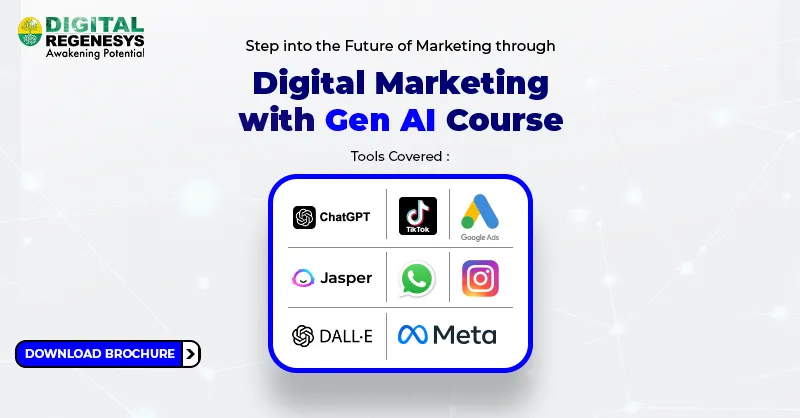
Paid Advertising Tools
Paid advertising tools let you test messages and audiences quickly and scale what works. Hence, they are vital for performance-focused roles. Beginners should learn and understand ad setup, basic targeting, budgeting, and simple optimisation rules before managing larger spends.
Practise with small budgets and use experiments to learn creative testing and bidding logic. Knowing how to measure ROI (or ROAS) is essential for justifying ad spends to clients.
Find below the most well-known types of paid advertising tools:
|
Tool Category |
Purpose |
Commonly Used Tools |
|
Search advertising tools |
Help create, manage, and optimise paid search campaigns. |
|
|
Social media advertising tools |
Assist in running and testing paid campaigns across social platforms. |
|
|
Audience targeting tools |
Help define ad audiences based on interests and behaviour. |
|
|
Budget and performance optimisation tools |
Assist in managing ad budgets and improving campaign performance. |
|
Read more on What is PPC in Digital Marketing? Understanding its Benefits, Types, and Functions!
Analytics And Tracking Tools
Tracking and analytics tools help you understand what is working and what is not. They show where you should focus your time and effort to get better results. Digital marketing newbies should learn the basics of web analytics, UTM tagging, and simple dashboarding. This is necessary to report outcomes clearly and make data-driven decisions. Even a few core metrics (traffic, engagement, conversions) will help you prove the impact of your work.
Here is a wide range of analytics and tracking tools that you should be aware of:
|
Tool Category |
Purpose |
Commonly Used Tools |
|
Website analytics tools |
Assist in tracking website traffic, user behaviour, and performance. |
|
|
Campaign tracking tools |
Help measure campaign performance and identify top-performing channels. |
|
|
Conversion and optimisation tools |
Assist in testing and improving landing pages to increase conversions. |
|
|
Reporting and dashboard tools |
Help visualise performance data and share insights clearly. |
|
Read more on Explore What is Google Analytics and How Does it Work.
Learn Tools With Our Digital Marketing Course With Gen AI
The Digital Marketing Course with Gen AI by Digital Regenesys focuses on practical, tool-led learning. You will use industry platforms in applied projects rather than just study theory alone.
It combines core channel skills (SEO, social, content, ads) with generative AI techniques to speed workflows and boost creativity.
The capstone project gives you a real piece of work to show employers, making the course career-focused and outcome-oriented. The course is built to make you work-ready quickly. Entry is accessible to marketing professionals, business owners, students, and anyone interested in leveraging AI in digital marketing.
Conclusion
Digital marketing relies heavily on tools that support planning, content creation, social media management, paid advertising, and analytics. Understanding how these tools work and when to use them helps learners move from theory to practical application.
You do not need to master every platform at once. Starting with a few core tools in each area is enough to build confidence and real-world skills.
For learners in South Africa, practical experience with industry tools is important for becoming job-ready. Employers look for people who can plan campaigns, create content, improve performance, and track results using popular platforms.
With regular practice and proper guidance, these tools become part of a clear and repeatable way of working, not just separate skills.
Digital Regenesys supports this approach through practical, tool-led learning that mirrors real workplace expectations. By combining core digital marketing skills with generative AI and applied projects, learners gain experience they can demonstrate to employers.
This makes the transition from learning to working in digital marketing clearer and more achievable.
Contact us today to speak with a career adviser and learn more about our Digital Marketing Course With Gen AI.
FAQs
What is a tool used in digital marketing?
A tool used in digital marketing helps plan, create, manage, and measure online marketing activities, including SEO, social media, content, and advertising.
Which software is used in digital marketing?
Software used for digital marketing purposes includes platforms for SEO research, social media management, analytics, content creation, and paid advertising.
Which is the best marketing tool?
The best marketing tool depends on your goal, but tools that help track performance and improve results are often the most useful.
What are common marketing tools?
Common marketing tools include SEO, social media scheduling, analytics, content creation, and advertising.
Why do small businesses need digital marketing?
Small businesses need digital marketing to reach more customers online, promote their products or services, and compete effectively with larger brands.
Leave a Reply